Save the date
Call for applications
You are...
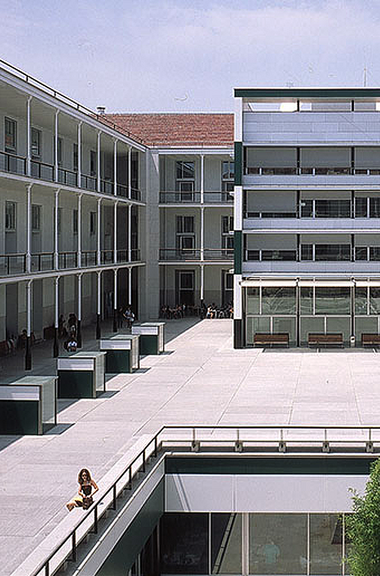
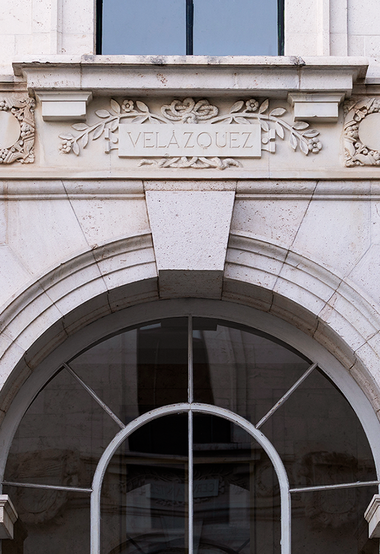
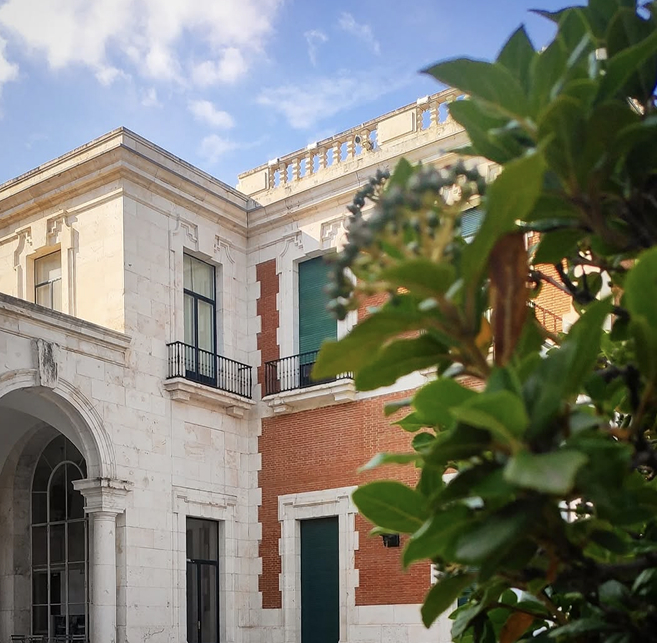
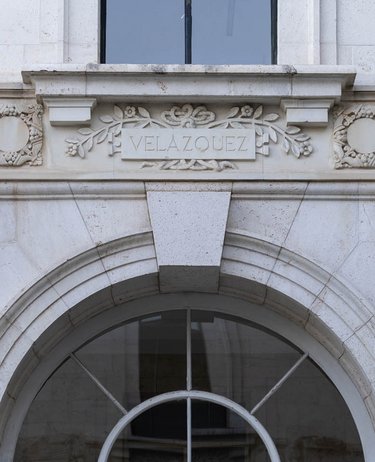
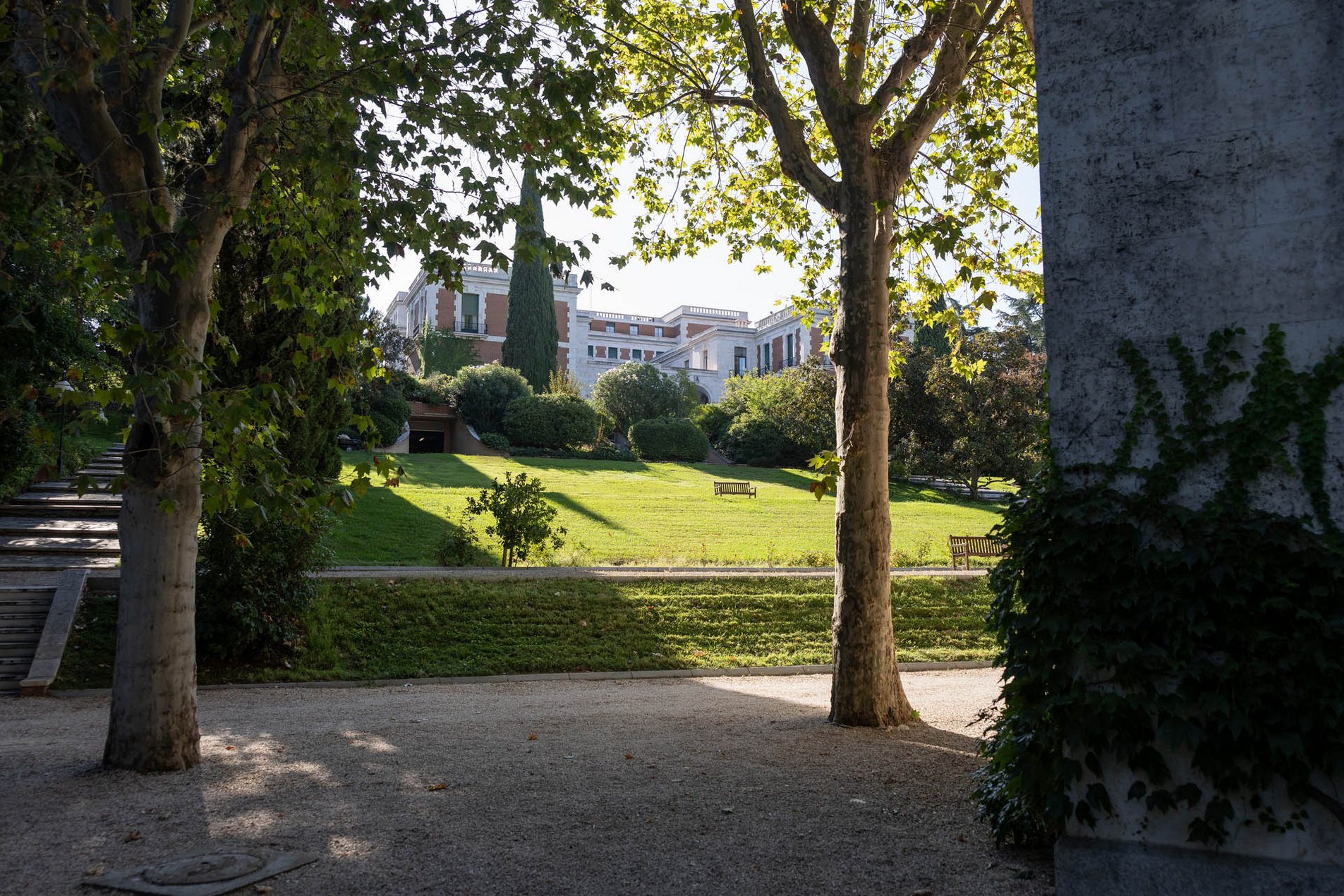
The Casa de Velázquez is a French institution that promotes international cooperation and academic, artistic, and cultural exchanges. Since its inauguration in 1928 in the heart of Madrid's Cité Universitaire, it has developed its activities around a unique model, supporting both contemporary artistic creation and scientific research in the humanities and social sciences.
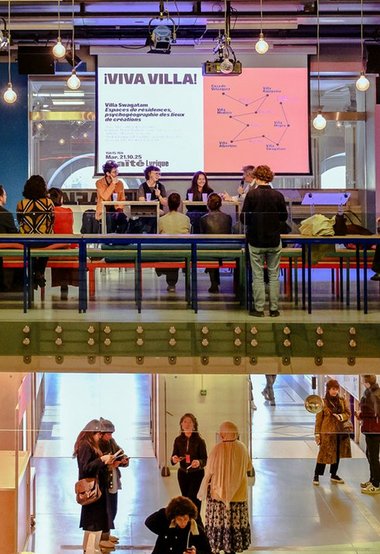
Above all a place of life and production for the researchers and artists who reside there, Casa de Velázquez also organizes events open to the public throughout the year as part of its mission to promote science and the arts.
L'École des hautes études hispaniques et ibériques
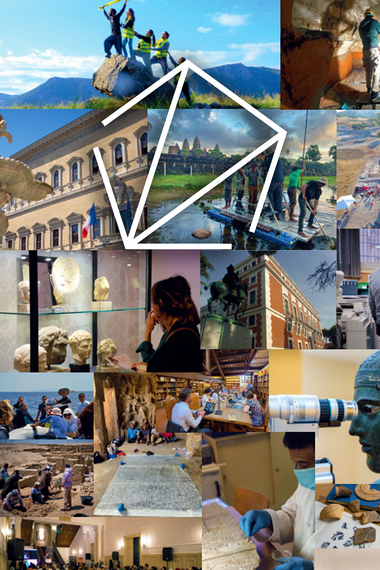
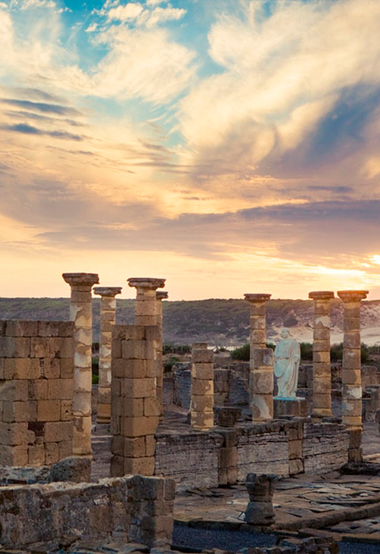
Focusing on the Iberian Peninsula, the Maghreb, and the Atlantic world, the EHEHI's work encompasses some twenty multi-year research projects, a dozen archaeological projects, and the hosting of researchers.
Its extensive program of scientific meetings makes it one of the major hubs for research in the humanities on the peninsula, with hundreds of researchers invited to participate in its activities throughout the year.
L'Académie de France à Madrid
Every year, around thirty artists come here to develop their projects as part of residency programs. Its disciplinary range covers the major fields of contemporary creation: drawing, engraving, sculpture, painting, architecture, musical composition, choreography, photography, film, and video.
The French Academy in Madrid plays an essential role in promoting contemporary creation through a program of activities open to the public and local and international collaborations.
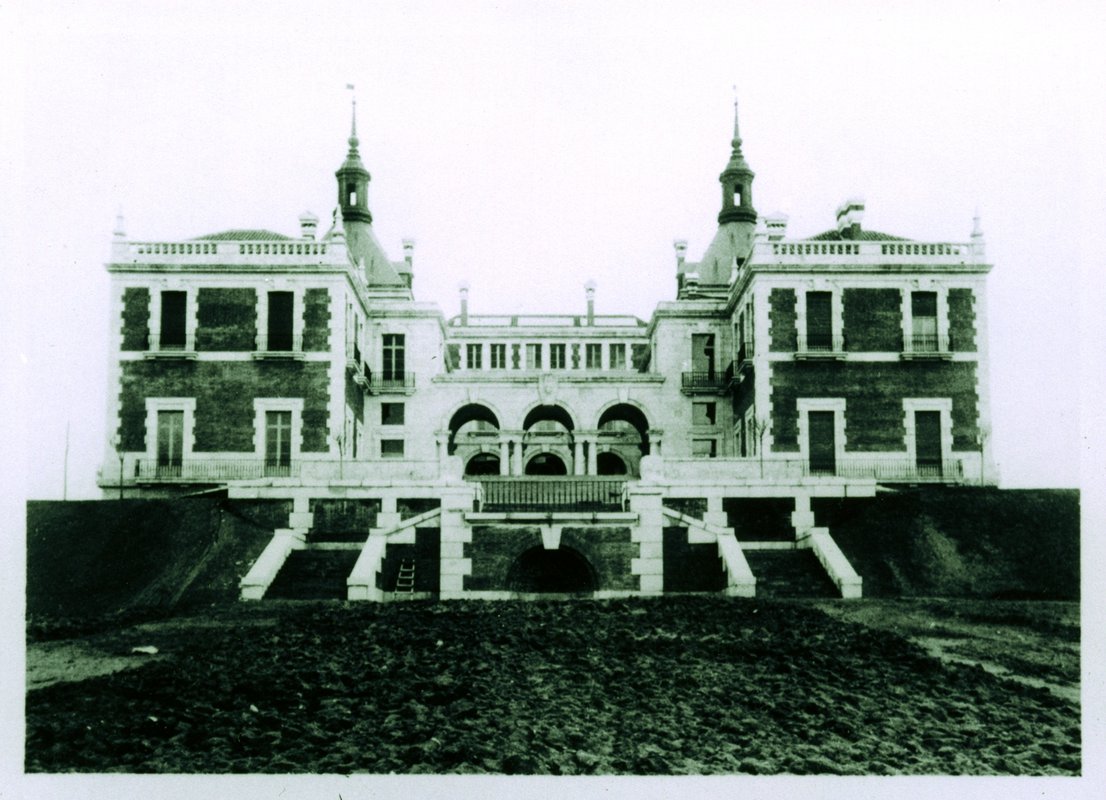
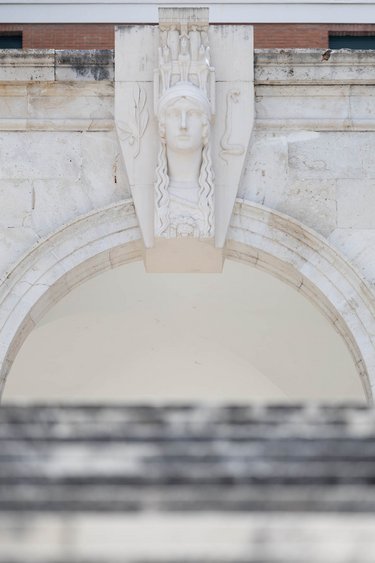
L’origine de la Casa de Velázquez est marquée par une série de rencontres qui sous-tendent le projet humain et académique de l'institution. C'est d’emblée sous l'identité originale d’un centre multidisciplinaire d'excellence que l'idée est avancée à Alfonso XIII. Ce dernier cède alors un terrain à la République française dans la cité universitaire de Madrid alors en gestation, pour ce qui deviendra la Casa de Velázquez. Presque intégralement détruit lors de la bataille de la Cité Universitaire, en 1936, le bâtiment reste en ruines jusqu’au milieu des années 1950 et la construction de la « deuxième » Casa de Velázquez, que l’on connaît aujourd’hui.
Casa de Velázquez is part of a resolutely humanistic project: a space where critical thinking, diversity of approaches, and intellectual and creative freedom are preserved and encouraged.
The institution is evolving its practices by taking into account their social and environmental impact. It focuses on experimentation, openness, and conscious approaches, engaging its community in a more responsible way of working that is attentive to contemporary issues.


Each year: 30 artists, 45 doctoral students, and 55 postdoctoral researchers
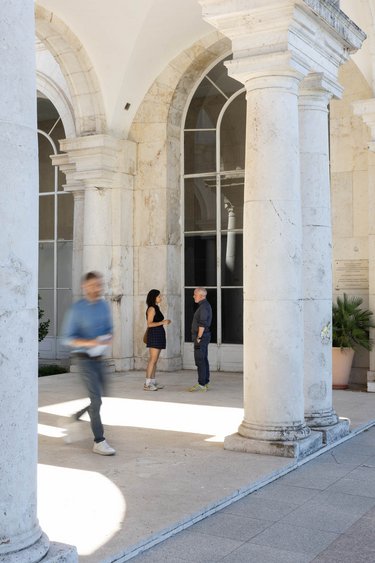
Every day, artists and researchers reside at Casa de Velázquez and develop their work in spaces dedicated entirely to them. They also benefit from the attentive support of a multidisciplinary team that assists them throughout their endeavors.
This unique cohabitation, punctuated by intercultural and interdisciplinary exchanges, shapes the lively and singular atmosphere of Casa de Velázquez.

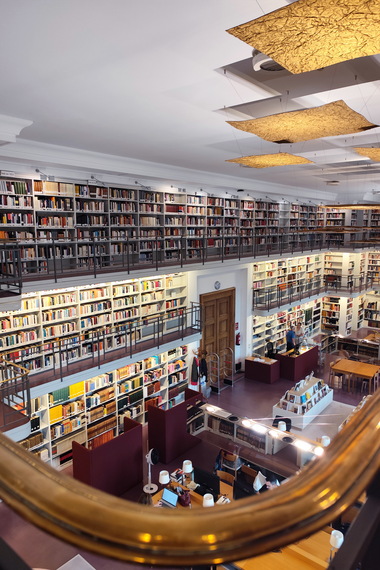
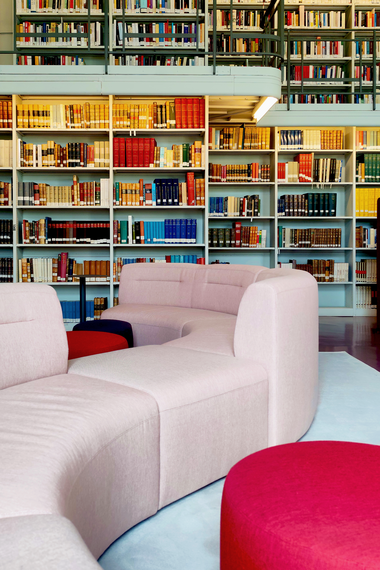
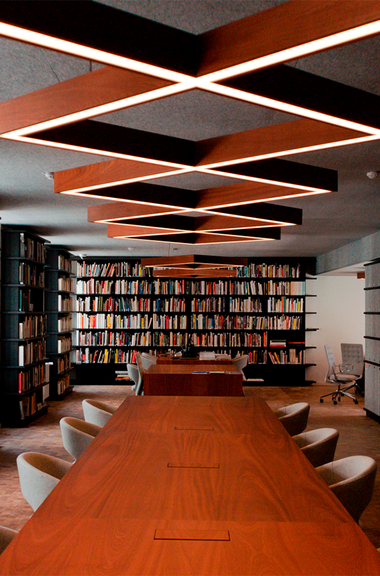
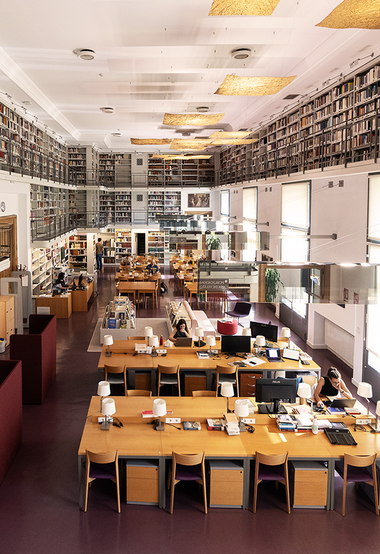
With over 160,000 volumes and an extensive collection of periodicals devoted to Iberian cultures, the library is one of the central hubs of daily life at Casa de Velázquez. From Monday to Saturday morning, it welcomes residents and external researchers in a setting conducive to work and discovery.
It is open free of charge to anyone engaged in a research project at master's level or above, and invites everyone to explore the breadth and diversity of its collections.

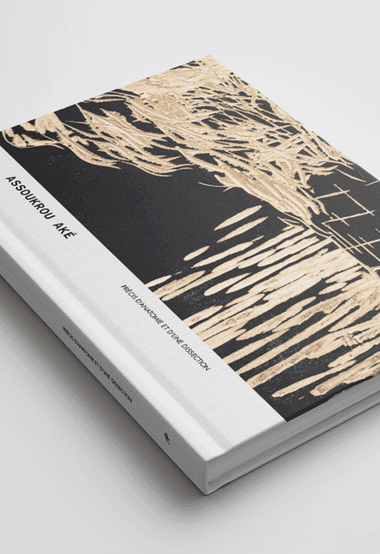
Some of the works published by Casa de Velázquez are freely available on OpenEdition. True to the spirit of open science, the institution is committed to making the research advances it hosts and supports accessible to as many people as possible.
This makes it possible to share scientific results more widely and encourages their circulation within the academic community and among the general public.