The network of French Schools Overseas
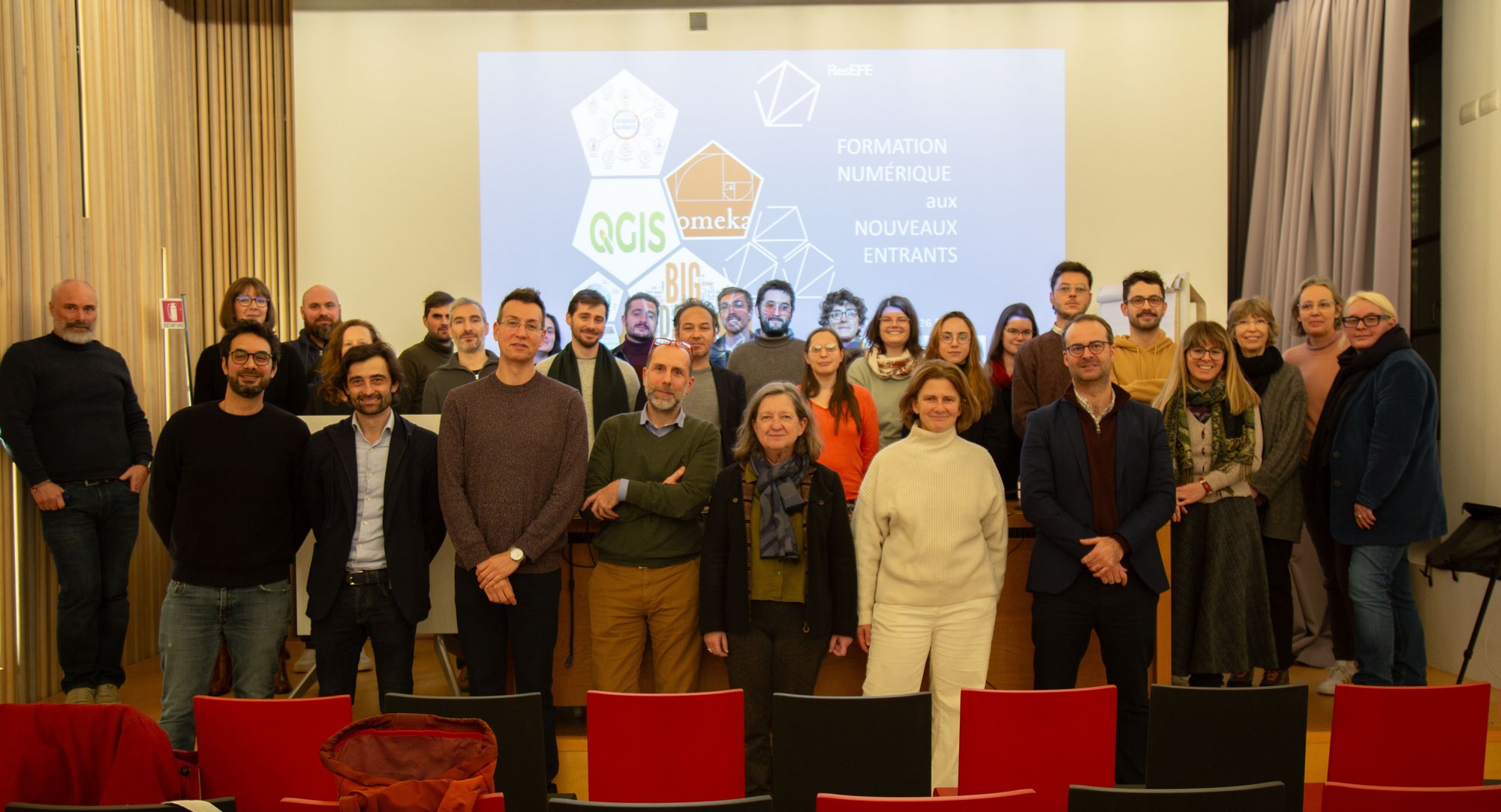

Casa de Velázquez is a member of the French Schools Abroad Network (ResEFE), whose activities are supervised by the French Ministry of Higher Education, Research and Space.
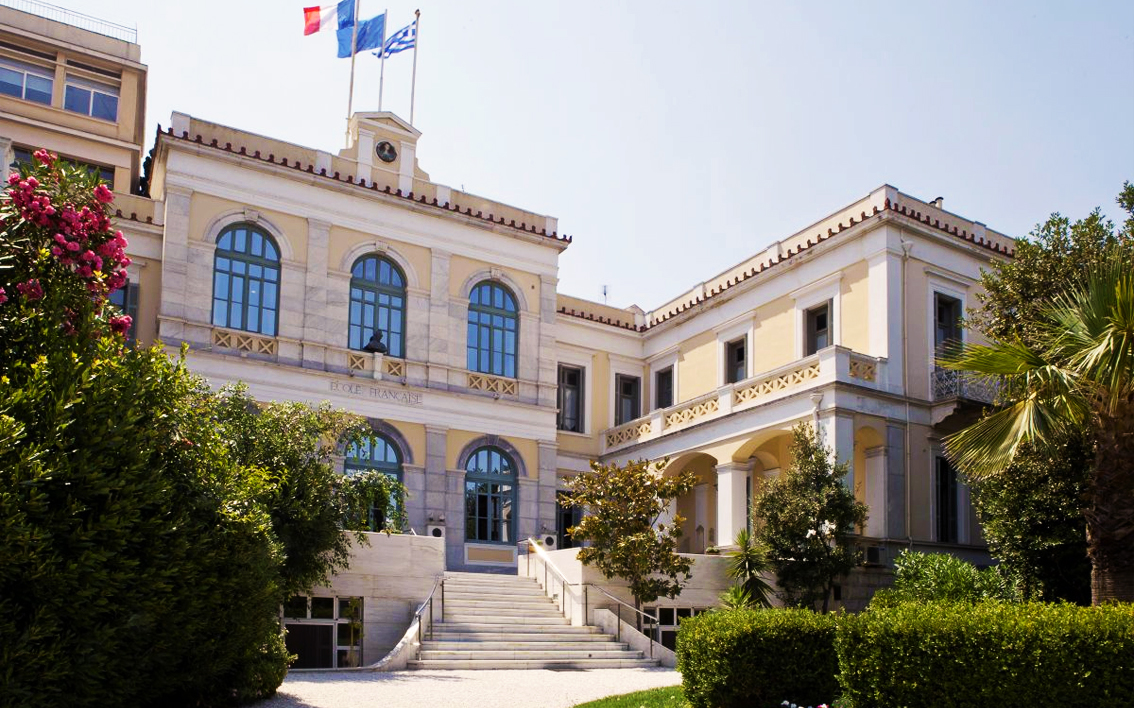
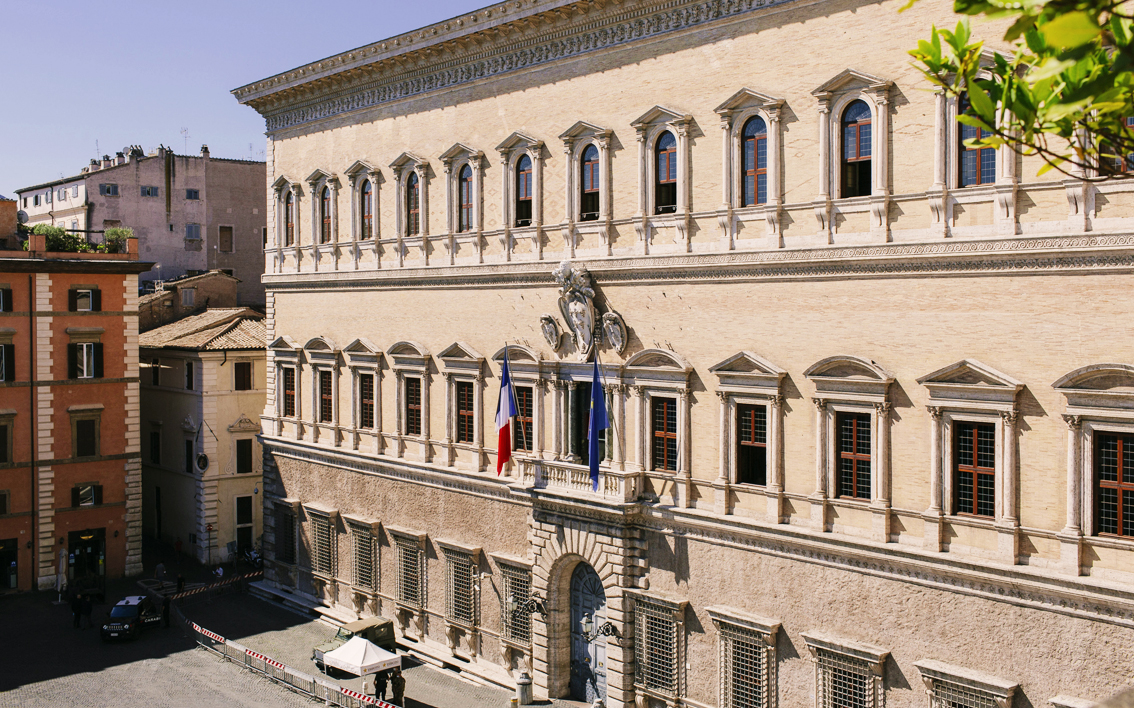
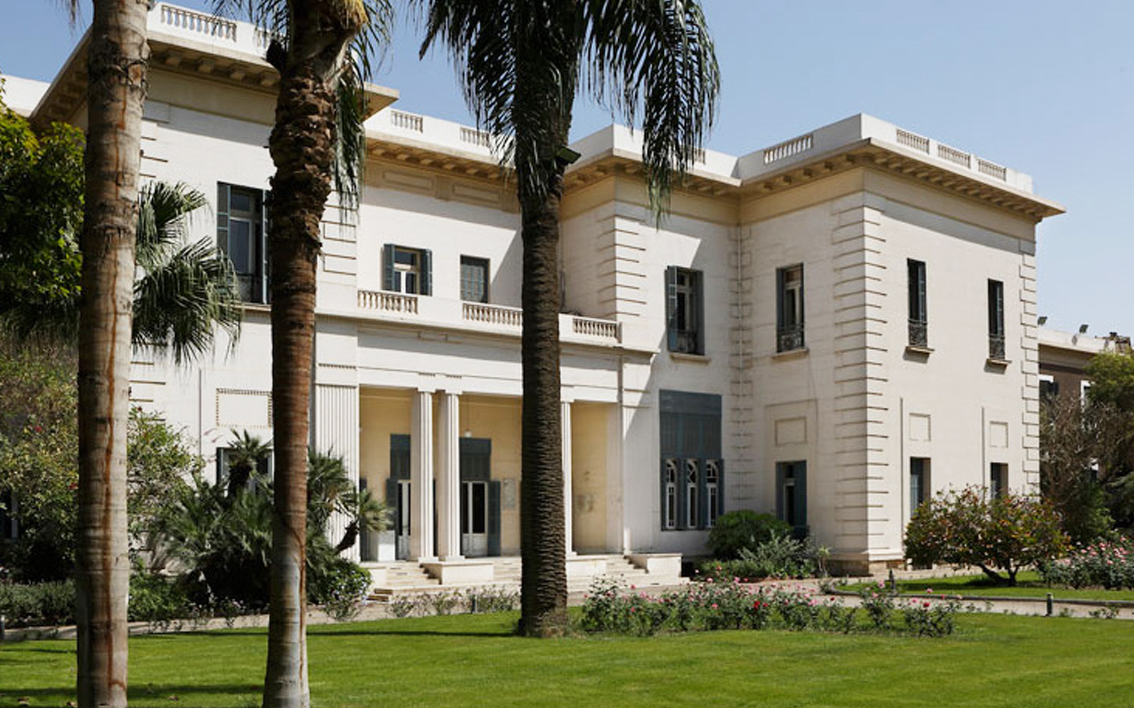
What is ResEFE?
The Network French Schools Overseas comprises five higher education and research institutions in the humanities and social sciences:
- The French School of Athens - EFA
- The French School of Rome - EFR
- The French Institute of Oriental Archaeology - IFAO
- The French School of the Far East - EFEO
- The Casa de Velázquez
Located at the heart of their geographical areas of expertise, the French Schools Overseas form a unique network dedicated to international research.
The missions of French Schools Overseas
French Schools Overseas fulfill a threefold mission of training, research, and dissemination of knowledge in the humanities and social sciences. Their territorial roots facilitate direct access to sources and research fields, contributing to the renewal of knowledge.
They welcome doctoral and post-doctoral students, support the international mobility of researchers, and draw on French and foreign scientific communities. The schools conduct collective and individual research projects, promote the results, and publish numerous scientific books and journals each year.
Domaines et terrains de recherche
According to a five-year program, EFEs conduct archaeological operations, international research projects, and field missions in many areas of the humanities and social sciences, including archaeology, history, art history, religious studies, anthropology, sociology, geography, political science, and law.
As recognized centers of expertise, they offer a scientific, administrative, and technical environment suitable for hosting projects funded by national, European, or international agencies. They also participate in the development of digital humanities, in conjunction with national and European infrastructures.
Infrastructure for research and education
French schools abroad are setting up programs to welcome researchers, doctoral students, and teacher-researchers who are relocating. Every year, they organize thematic research schools and support young researchers in their professional careers.
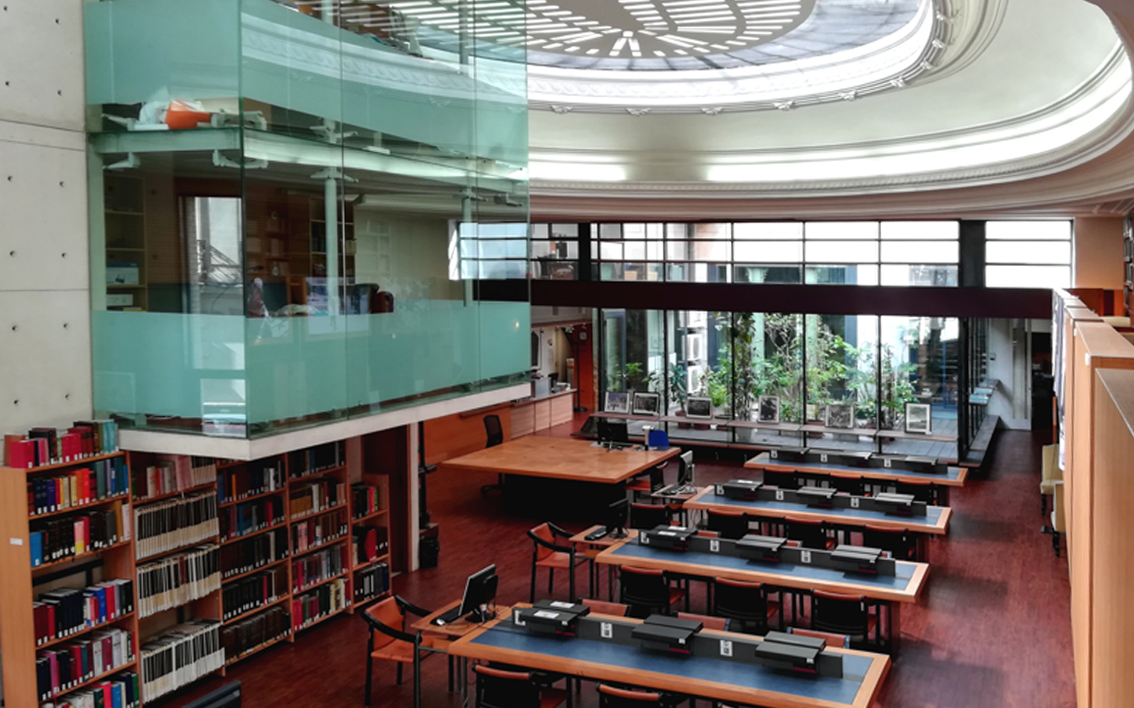
Their libraries, located in Athens, Rome, Cairo, Paris, and Madrid, are open to the public and offer access to more than 730,000 books and specialized reference collections.
Actions of the EFE Network
Launched in 2011 and officially recognized in 2021, the network is jointly managed by the directors of the schools. It is supported by a shared service based at the EFEO in Paris and a Strategic Steering Committee. The rotating presidency of the network is held by one of the directors of the EFEs on January 1 of each year.
This organization strengthens coordination between the schools, pools expertise, and develops joint initiatives: thematic seminars, exchanges of best practices, staff mobility, and partnerships with other European and international research networks.
Joint programs and digital transition
The Network awards the “inter-EFE” label to research programs based on close collaboration between several schools or on the development of shared tools across the Network.
Committed to open science, ResEFE is pursuing a joint approach to promote the interoperability of digital platforms in order to improve the visibility and dissemination of research data. This initiative is based on partnerships with national infrastructures such as OpenEdition, Huma-Num, Persée, and Métopes, as well as training programs in digital humanities.


The president of the network in 2026

Brigitte Marin, director of the French School in Rome since 2019, took over as president of the EFE Network on January 1, 2026, for a one-year term. The directors' committee manages the Network on a collegial basis, with the presidency rotating among its members.
Professor of Modern History at Aix-Marseille University (2006), Director of Studies at EHESS (2011), Brigitte Marin directed the Maison méditerranéenne des sciences de l'Homme (2009-2017) and coordinated the LabexMed Laboratory of Excellence “Humanities and Social Sciences at the Heart of Interdisciplinarity for the Mediterranean” (2011-2019).
A former student of the École normale supérieure de Saint-Cloud and former member of the École française de Rome, she was Director of Studies for Modern and Contemporary History at this institution from 2000 to 2006, before joining the University of Provence, where she had been a lecturer since 1992.
A specialist in the urban, social, and cultural history of modern Italy, she has published several studies on the history of southern European cities in the modern age, with a particular focus on Naples in the 18th century.