Casa de Velázquez: a history, a heritage
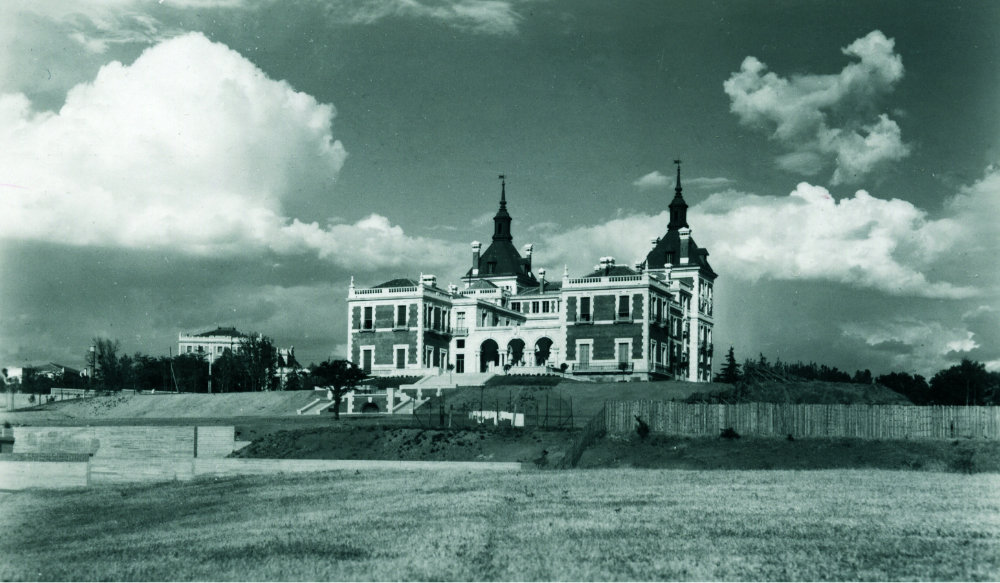

The origins of Casa de Velázquez are marked by a series of encounters that underpin the institution's human and academic project. The first of these was archaeologist Pierre Paris' encounter with Spain, where he discovered the wealth of its ancient artistic heritage. At the beginning of the 20th century, he played a decisive role in laying the foundations for a major university institution dedicated to scientific research in the Iberian Peninsula.
His meeting, in 1916, with composer Charles-Marie Widor, then perpetual secretary of the Académie des Beaux-Arts, gave the project its second pillar: an artistic component with the ambition of developing creative practices and disseminating the arts on the international scene.
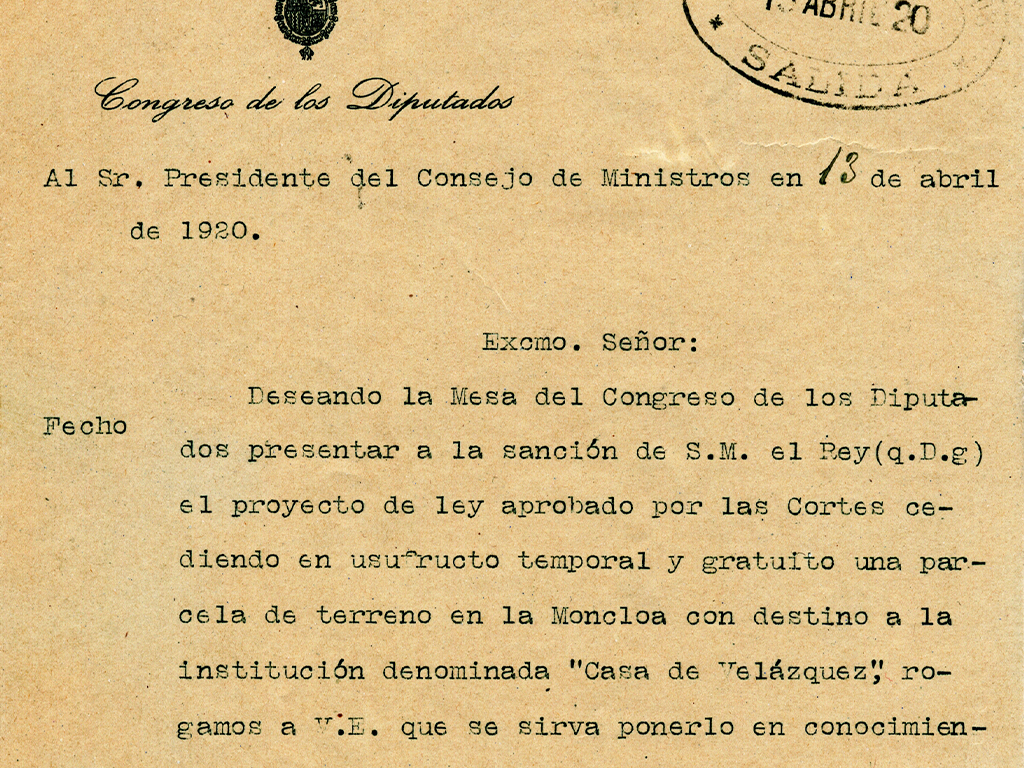
It was with this original identity - that of a multidisciplinary center of excellence - that the idea was presented to King Alfonso XIII. Seduced by the idea, King Alfonso XIII granted the French Republic a plot of land on which to lay the foundation stone for what was to become Casa de Velázquez, in Madrid's then nascent University City.
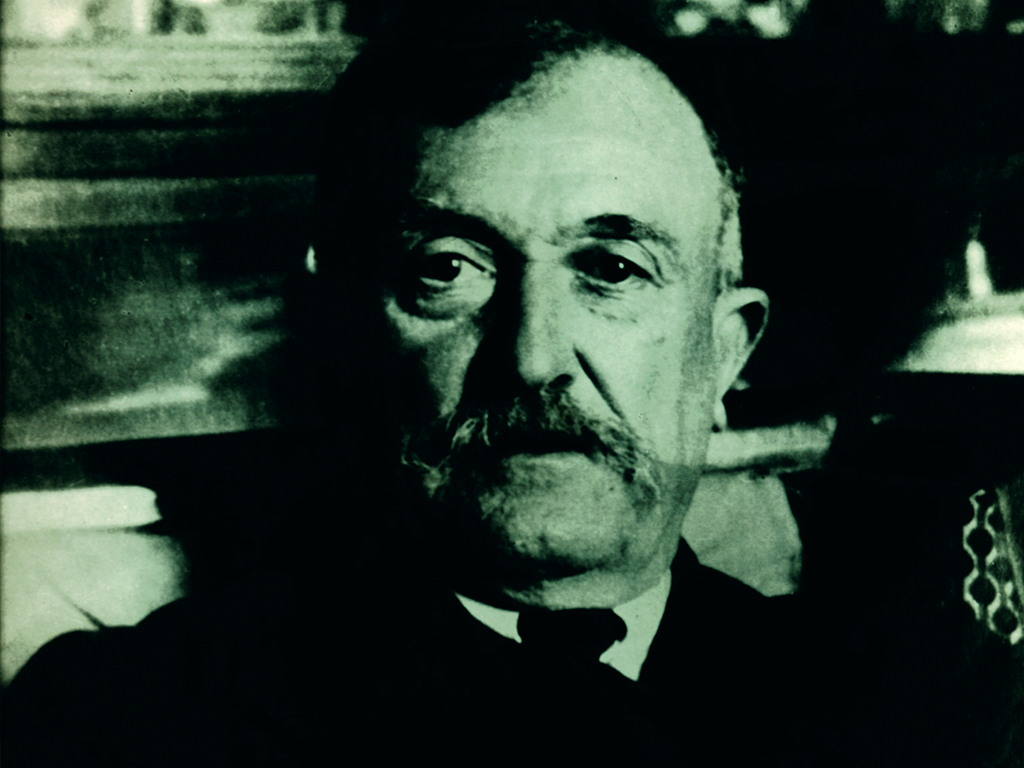
Pierre Paris (1859-1931) was a French archaeologist and historian specializing in Iberian art and archaeology. Professor at the University of Bordeaux, he played a key role in the development of Hispanic studies in France.
In 1909, he founded the École des hautes études hispaniques in Madrid to welcome young French researchers. A visionary, he imagined an institution bringing together artists and researchers, foreshadowing the creation of Casa de Velázquez. His work had a profound impact on cultural relations between France and Spain.
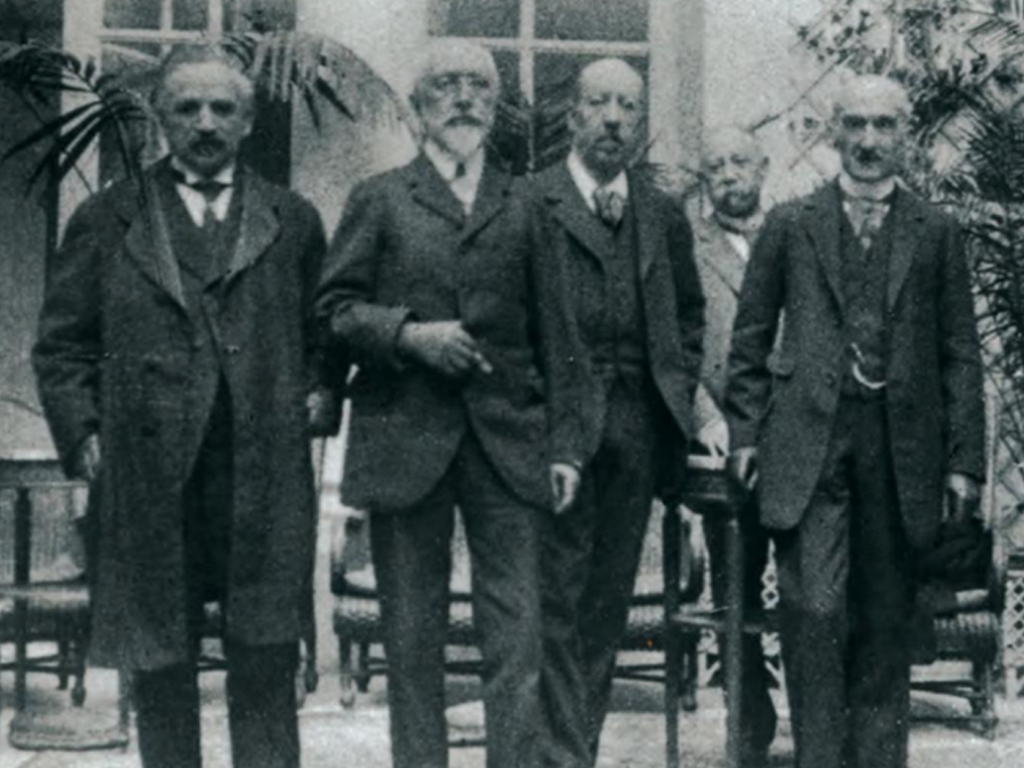
Charles-Marie Widor (1844-1937) was a French composer and organist, famous for his organ symphonies. As Permanent Secretary of the Académie des Beaux-Arts in Paris, he played a key role in the creation of Casa de Velázquez: in 1917, while visiting Spain with a delegation of fellow academicians, he met Pierre Paris in Madrid.
The idea of an institution that would bring together artists and researchers in the same place was born. His involvement in this project contributed to the foundation of a structure promoting dialogue between the arts and sciences, laying the foundations for the current model of Casa de Velázquez residencies.
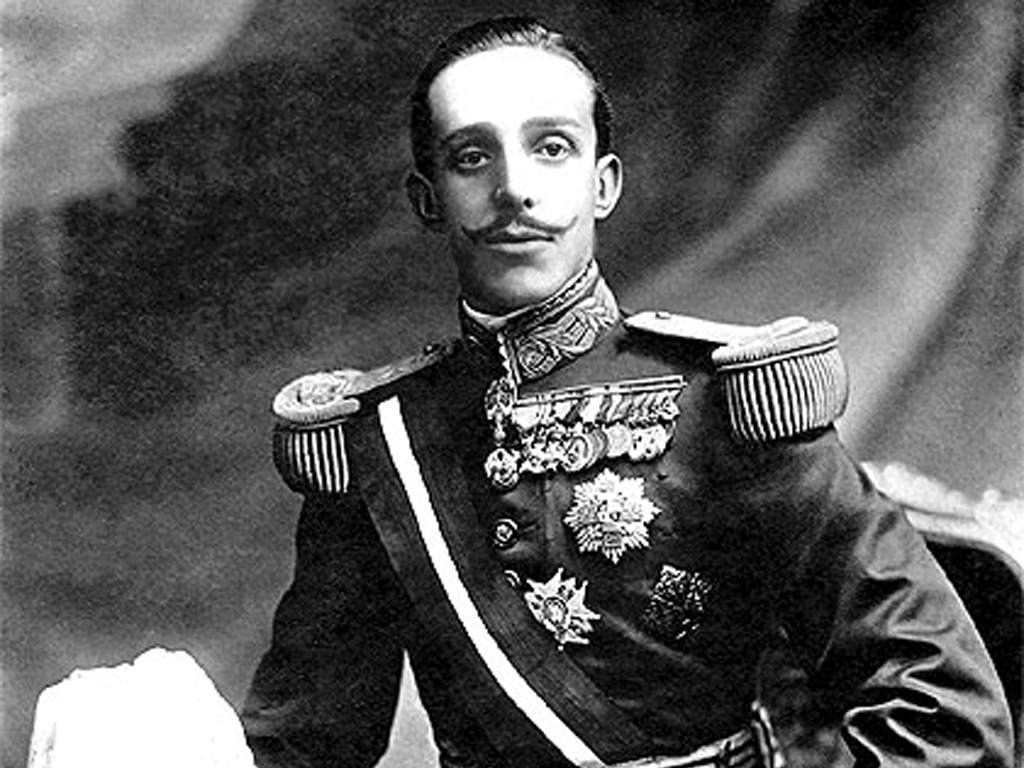
Alfonso XIII (1886-1941), King of Spain from 1902 to 1931, played a decisive role in the creation of the University City of Madrid. He inherited this ambition from his father, Alfonso XII, who had already wanted to provide Madrid with a major modern university center.
Making this project a personal objective of his reign, Alfonso XIII set about making it a reality in the 1920s, in order to modernize Spanish higher education and strengthen the country's intellectual influence. Inaugurated in 1927 at his instigation, the Cité Universitaire was designed as a vast complex of faculties, research institutes and residences, inspired by the great European and American campuses.
This project, emblematic of his reign, was part of a policy of cultural and scientific openness, providing a favorable setting for the subsequent establishment of international institutions, including the Casa de Velázquez.
From foundation stone to reconstruction
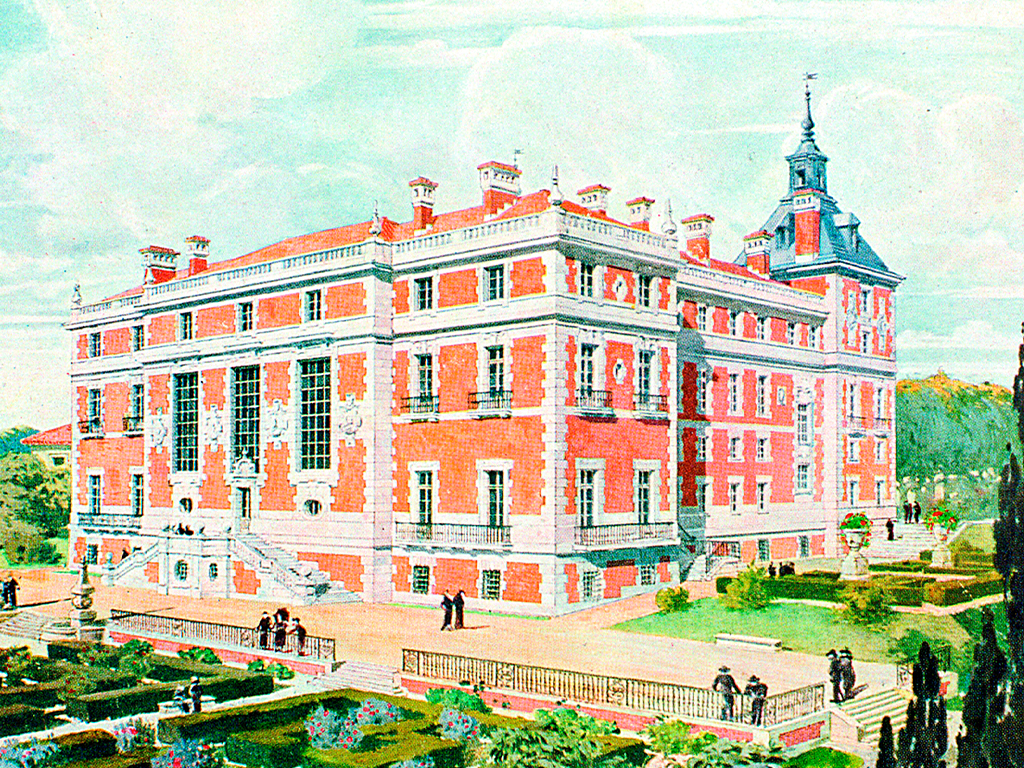
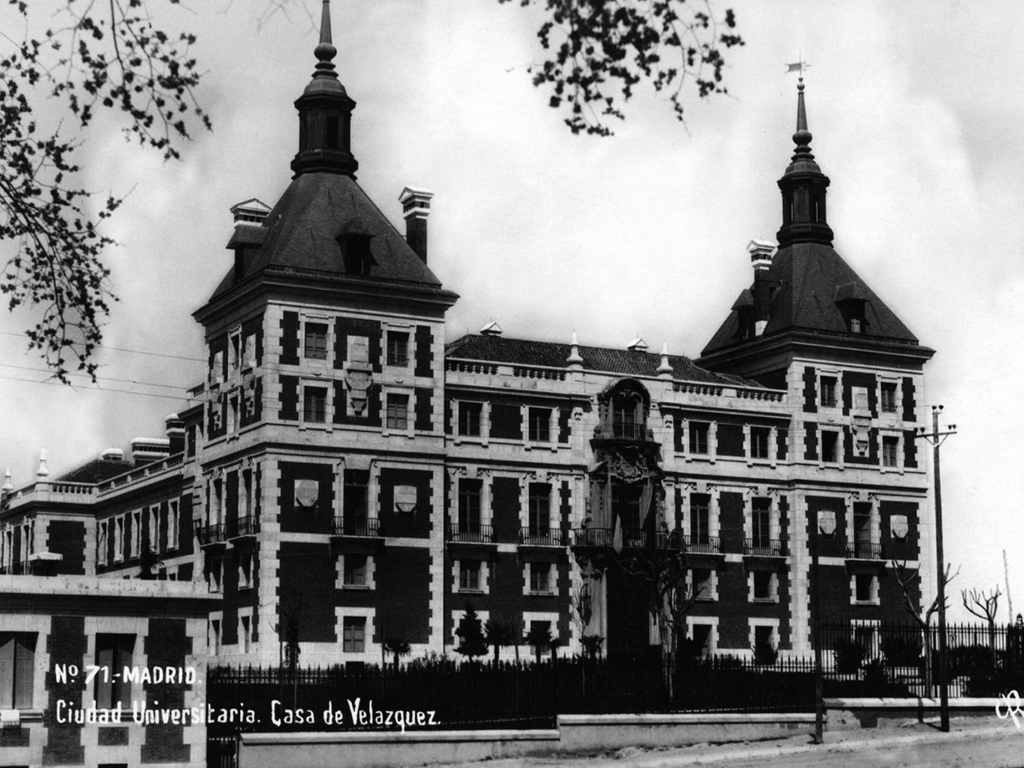
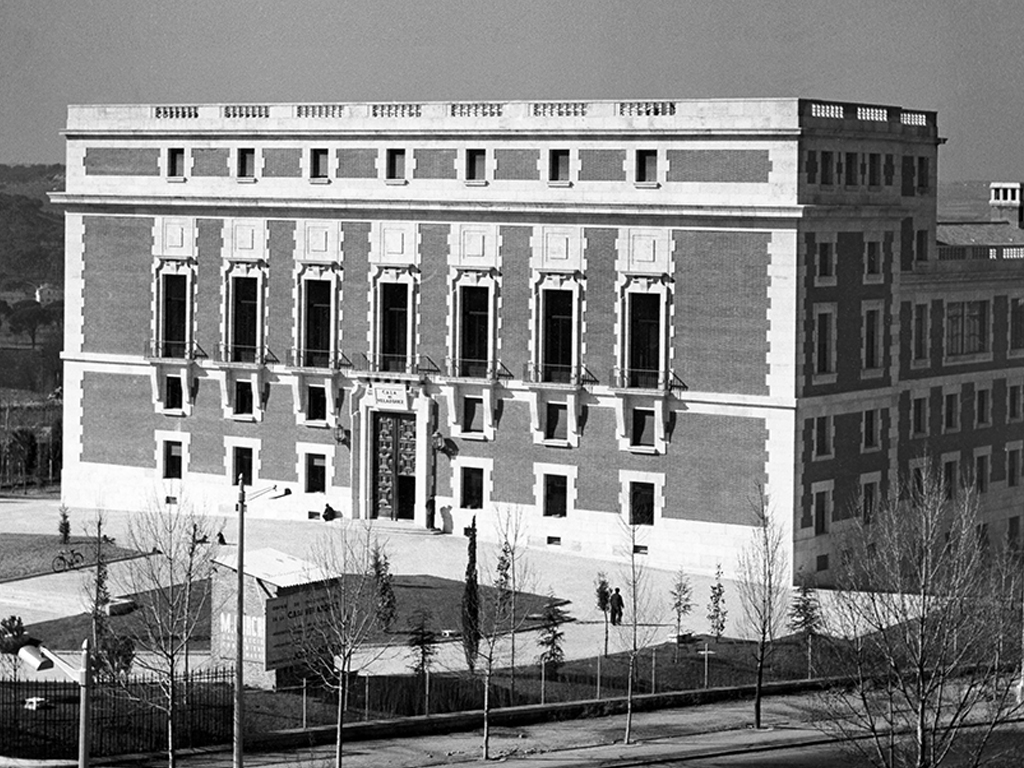
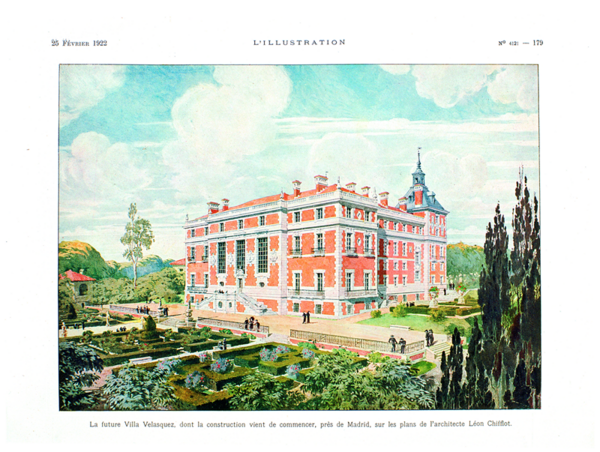
From the 1920s onwards, Casa de Velázquez took shape in the heart of the still unfinished Cité Universitaire. On land granted by King Alfonso XIII, the building gradually took shape, recognizable by its Herrerian-inspired architecture and emblematic towers.
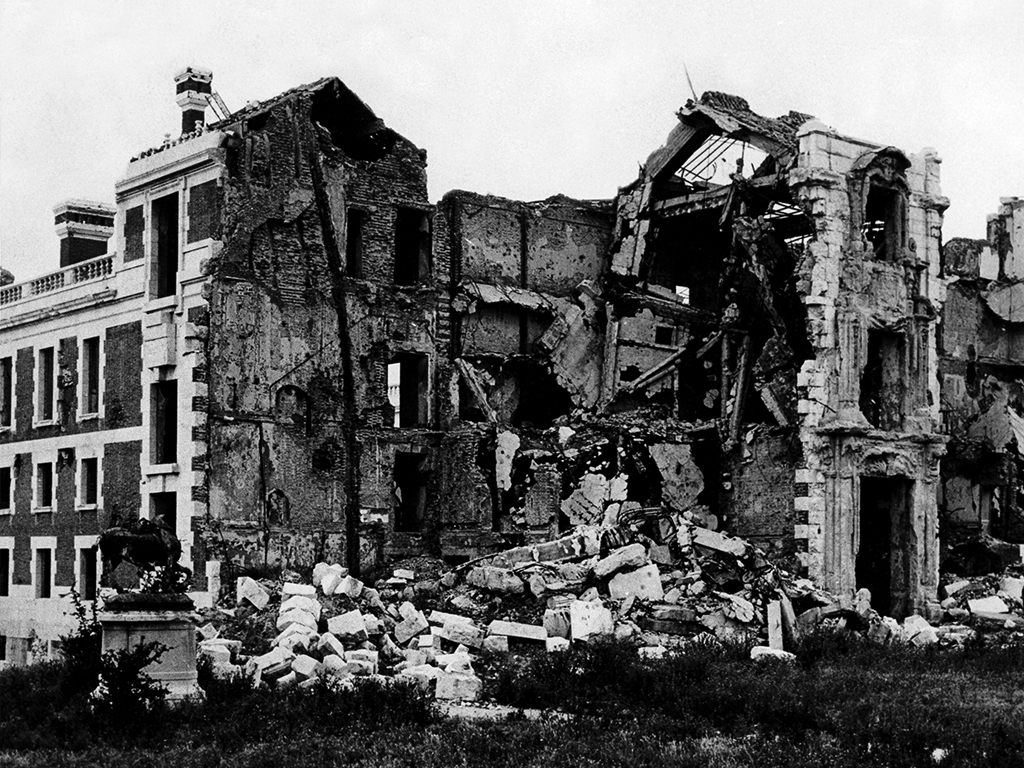
From 1928 onwards, even though the building site was still under construction, artists and researchers began to stay there, bringing the place to life. Construction continued until 1935, in an increasingly uncertain political climate. A few months later, the Spanish Civil War broke out and the Cité Universitaire became a battlefield. In November 1936, the Casa de Velázquez building was almost completely destroyed.
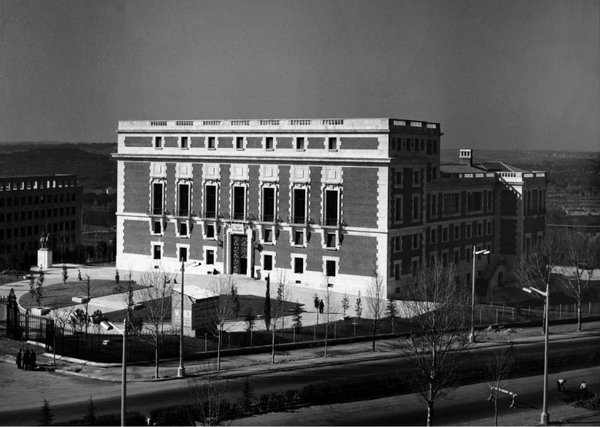
Long left in ruins, while the institution pursued its missions elsewhere, the building was not reborn until the mid-1950s, with the construction of a new building on the same site, allowing Casa de Velázquez to resume its place in the Cité Universitaire.
- Pierre Paris: 1928-1931
- François Dumas: 1932-1940
- Maurice Legendre: 1940-1955
- Paul Guinard: 1955-1957
- Henri Terrasse: 1957-1965
- Didier Ozanam: 1965-1966
- François Chevalier: 1966-1979
- Didier Ozanam: 1979-1988
- Joseph Pérez: 1989-1996
- Jean Canavaggio: 1996-2001
- Gérard Chastagnaret: 2001-2006
- Jean-Pierre Étienvre: 2007-2013
- Michel Bertrand: 2014-2021
- Nancy Berthier: 2022 to present
On the road to the centenary
In 2028, Casa de Velázquez will celebrate the centenary of its inauguration. A century of support for research and creation in the same place, witness to a shared history between France and Spain.
This celebration will be a multi-faceted commemoration, with a calendar alternating between a program of events open to the public, book publications and major institutional events.
While some of the groundwork has already been laid for a few months, the official kick-off to the celebrations will take place at the end of 2027!

Casa de Velázquez archives
Interested in the history of our institution?
The Casa de Velázquez archives include paper and digital documents, as well as a large collection of photographs, plans and slides, covering the period from the 1930s to the present day.
To date, they represent over 200 linear meters. They can be consulted on request (by e-mail, at least 15 days before the desired consultation date).

The Casa de Velázquez Notebooks
Discover the Casa de Velázquez Notebooks!
An exclusive, limited-edition line of stationery that blends heritage, research, and creativity. Perfect as a gift for others or yourself to extend the Casa de Velázquez experience into your daily life.
1900
1909
French archaeologist Pierre Paris and the University of Bordeaux found the "École des hautes études hispaniques" in Madrid, an institution designed to welcome young French researchers studying the Iberian Peninsula.
1917
Together with Charles-Marie Widor, Permanent Secretary of the Académie des Beaux-Arts de Paris, Pierre Paris drew up a project for an institution that could house researchers and artists in a single location.
1920
Convinced by the project, King Alfonso XIII himself chose a 20,000m2 plot of land on what was to become Madrid's Cité Universitaire, and gave it to France on condition that a residence for young artists and researchers be built there.
1921
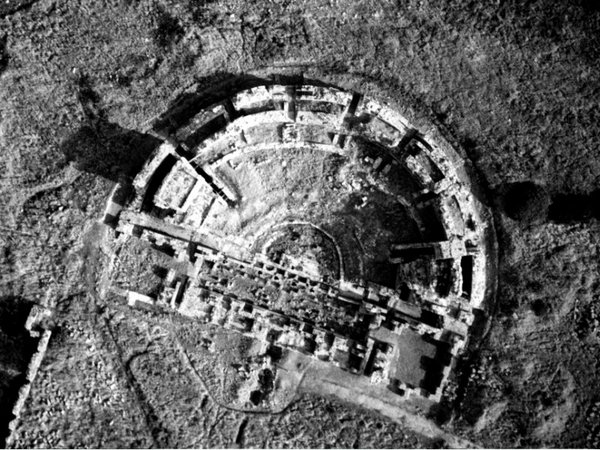
Belo archaeological digs abandoned
1928
november 20: inauguration of the Herrerian-style main building.
1935
Completion of the main building: construction of the north and south wings.
1936
Located on the front line of the Spanish Civil War, Casa de Velázquez is burnt down and partially destroyed during the Battle of Madrid. Residents move to Fès (Morocco).
1940
After the war, he returned to Madrid to live in a small palace on Serrano Street.
1959
- Reconstruction of the building and return to the Cité Universitaire in Madrid.
- October: first international symposium held at Casa de Velázquez
1960
- Signature of a grant agreement with the city of Valencia
- First official exhibition of Casa de Velázquez artists at the Salle Comtesse de Caen of the Académie des Beaux-Arts.
1961
Transfer to the French Ministry of Education and Reconstruction
1966
On May 30, Claude Domergue obtained official permission to resume excavations at Belo
1974
Casa de Velázquez receives Medal of Honor from the Real Academia de Bellas Artes de San Fernando
1978
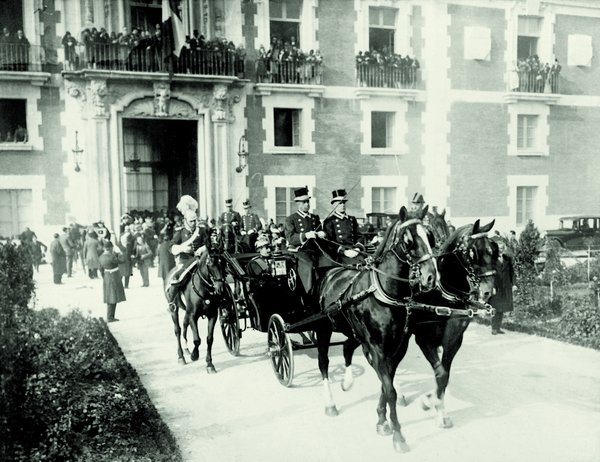
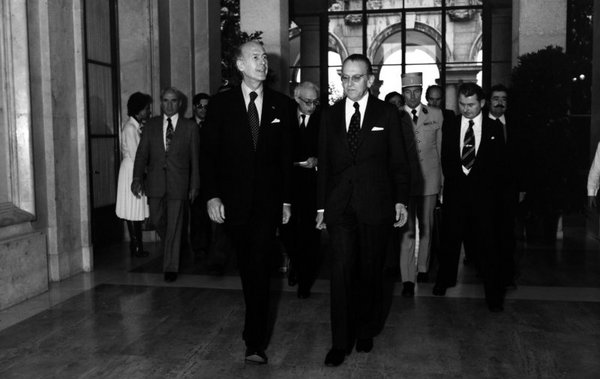
On June 29, Valéry Giscard d'Estaing paid an official visit to Casa de Velázquez, opening the ceremonies celebrating the institution's fiftieth anniversary
1988
Signing of a scholarship agreement with the Diputación de Zaragoza
1993-94
First portrait of the Casa de Velázquez taken by photographer Max Armengaud.
1999
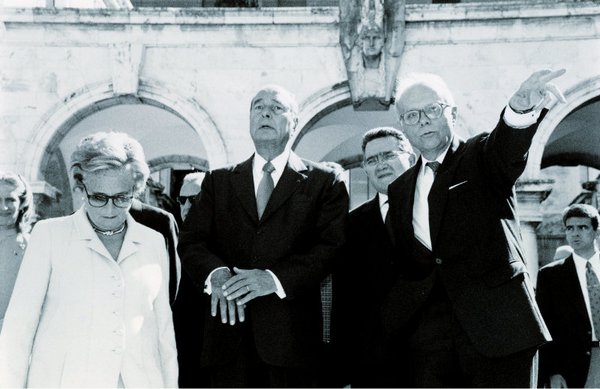
On October 4, during an official visit to Casa de Velázquez, Jacques Chirac praised the cultural ties between France and Spain
2000
2000
First Open Day
2011
Creation of the Réseau des Écoles Françaises à l'Étranger, which brings together Casa de Velázquez and 4 other institutions of higher education and research in the humanities and social sciences.
2016
Creation of ¡Festival Viva Villa! a major post-residency event bringing together artists from the four
Academies of France abroad
2023
Isabel Muñoz becomes the first patron of a class of artists at Casa de Velázquez
2024
Signing of scholarship agreements with the cities of Málaga and Santander
2028
Centenary of the inauguration of Casa de Velázquez.